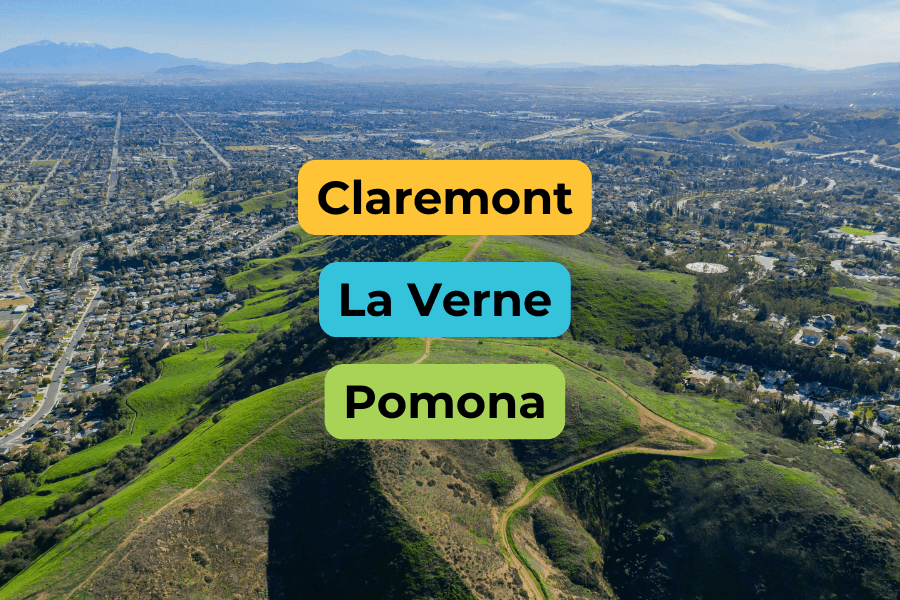
Tri-City Mental Health Authority
Enhancing hope, wellness and community for Claremont, La Verne and Pomona residents through behavioral health services and supports.
Make Sure Your Voice is Heard If You Have a Behavioral Health Crisis
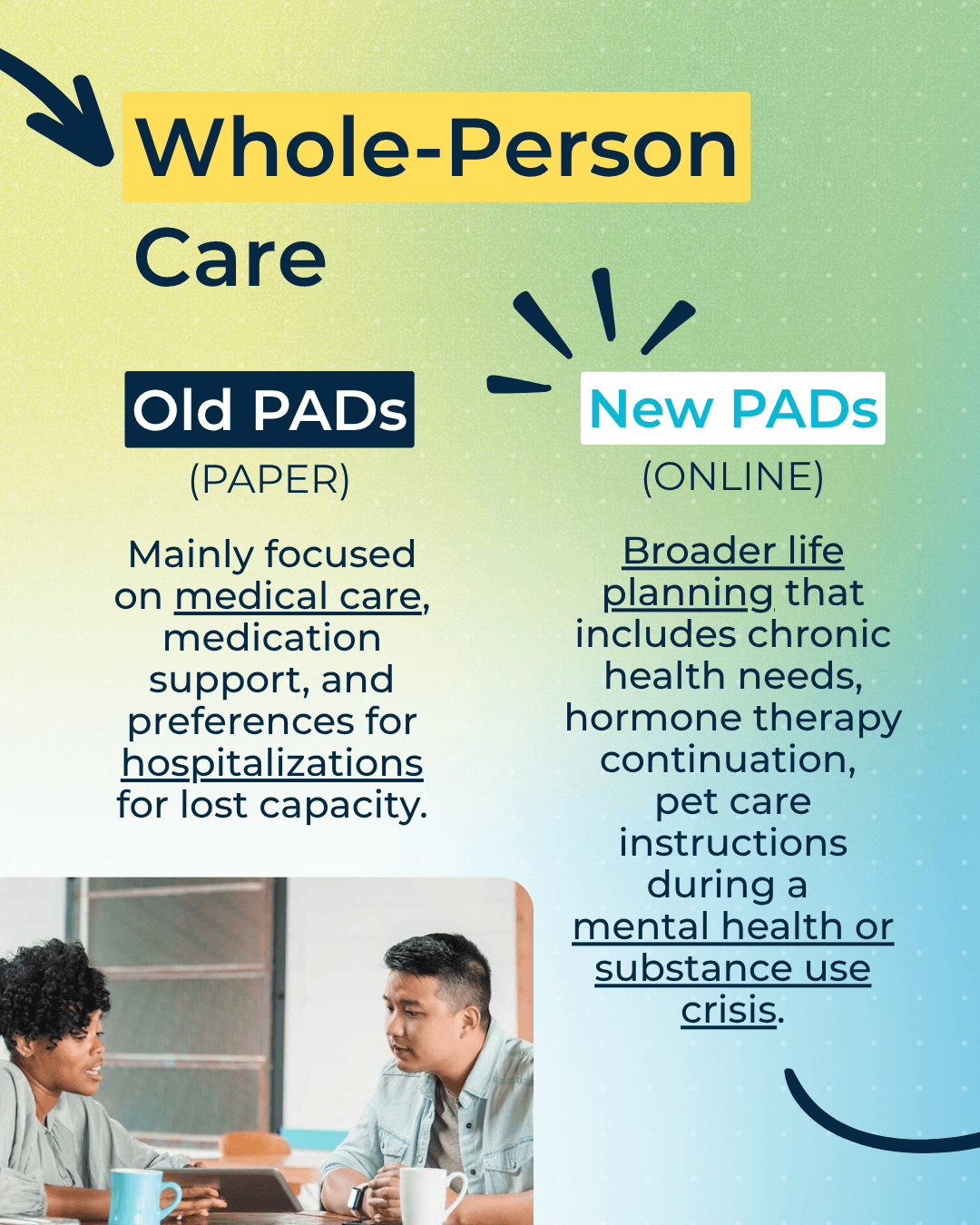
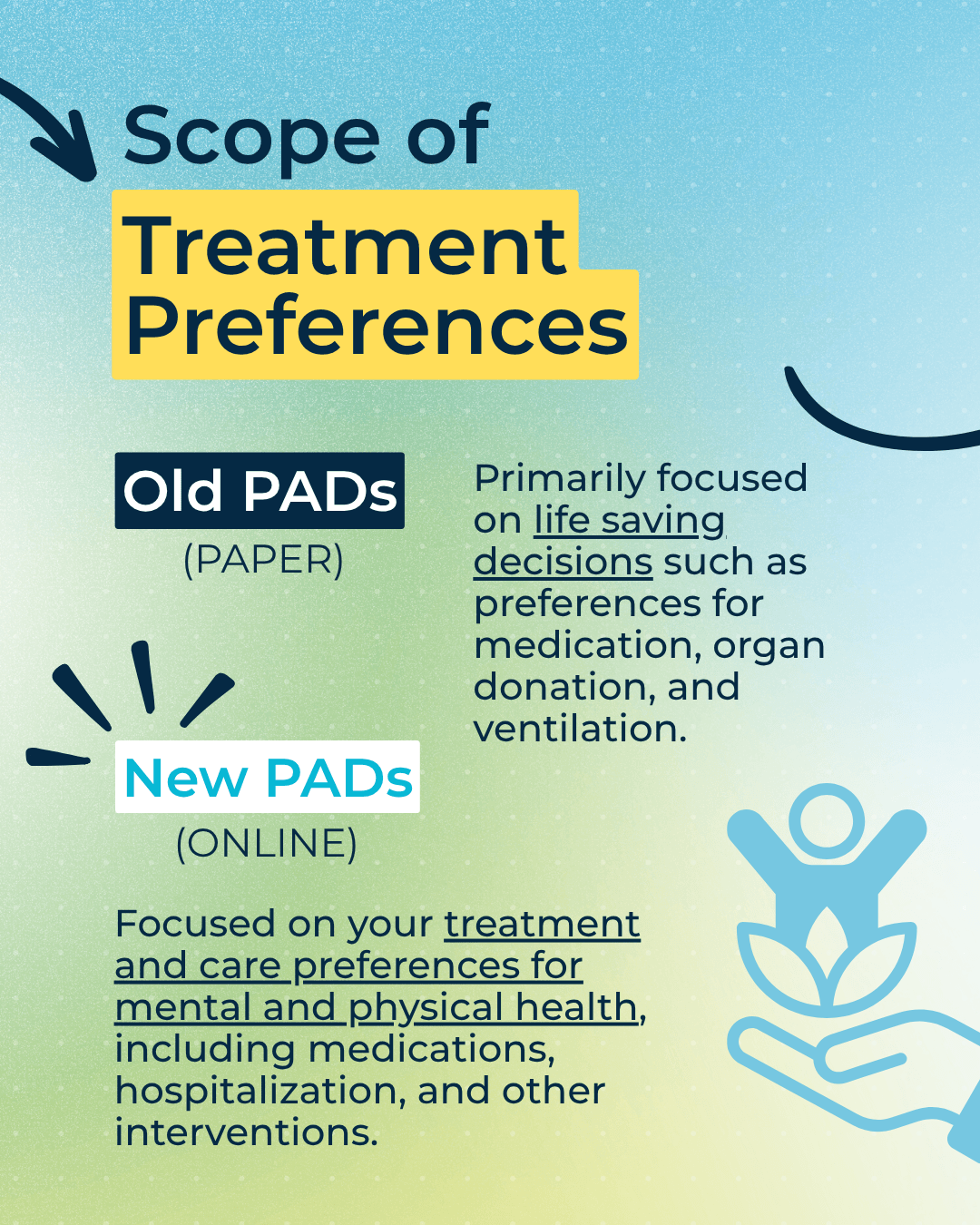
A Psychiatric Advance Directive (PAD) is a legal document that allows you to share your treatment preferences before a mental health or substance use crisis occurs.
A PAD can help first responders, healthcare providers, and trusted supporters understand:
- The treatment approaches you prefer
- The medications, supports, or strategies that work best for you
- The people you want involved in your care
- What helps you feel safe, supported, and respected during a crisis
Creating a PAD is one way to plan ahead and make sure your voice remains at the center of your care, even during difficult moments.


Bringing Digital PADs to Claremont, La Verne and Pomona
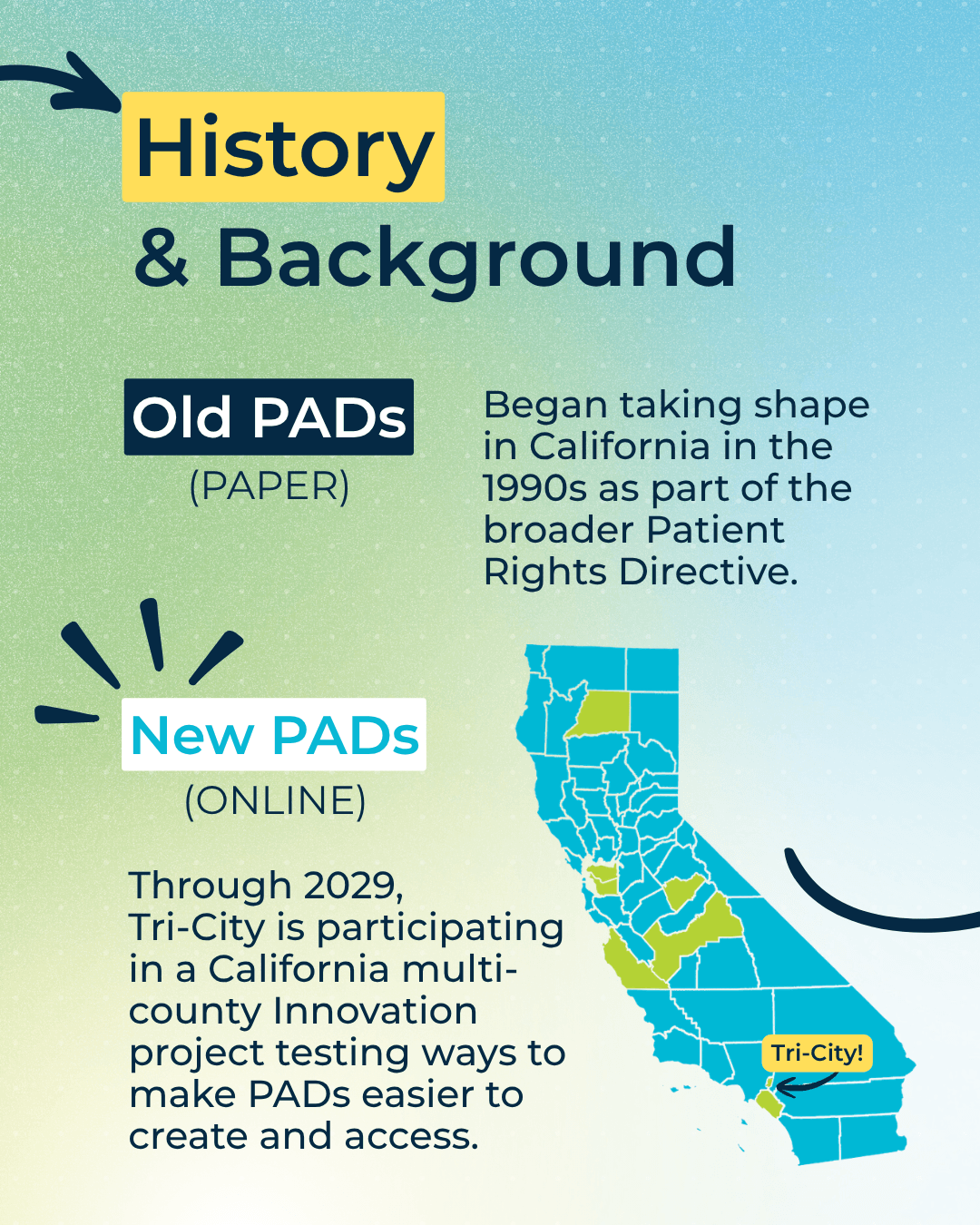
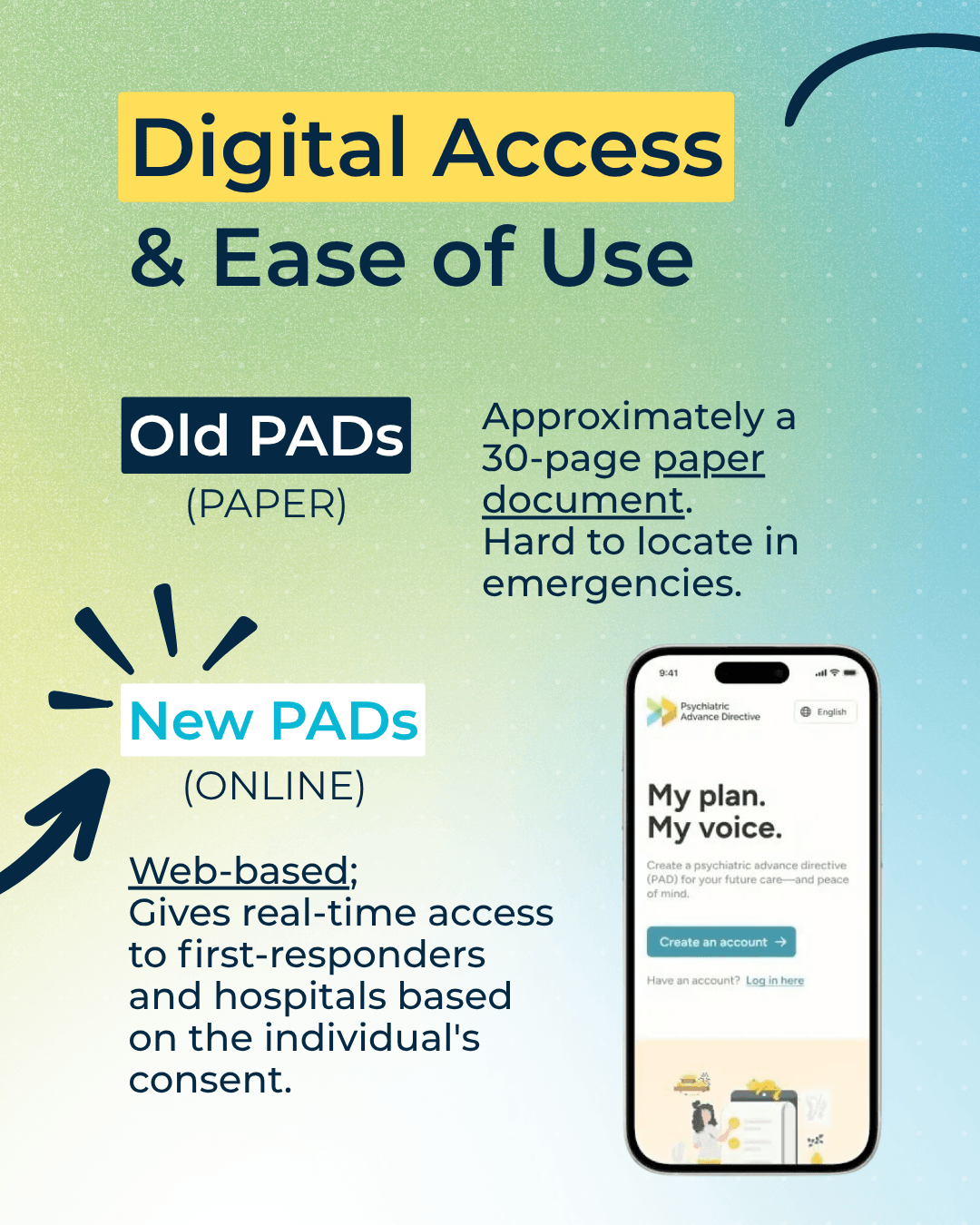
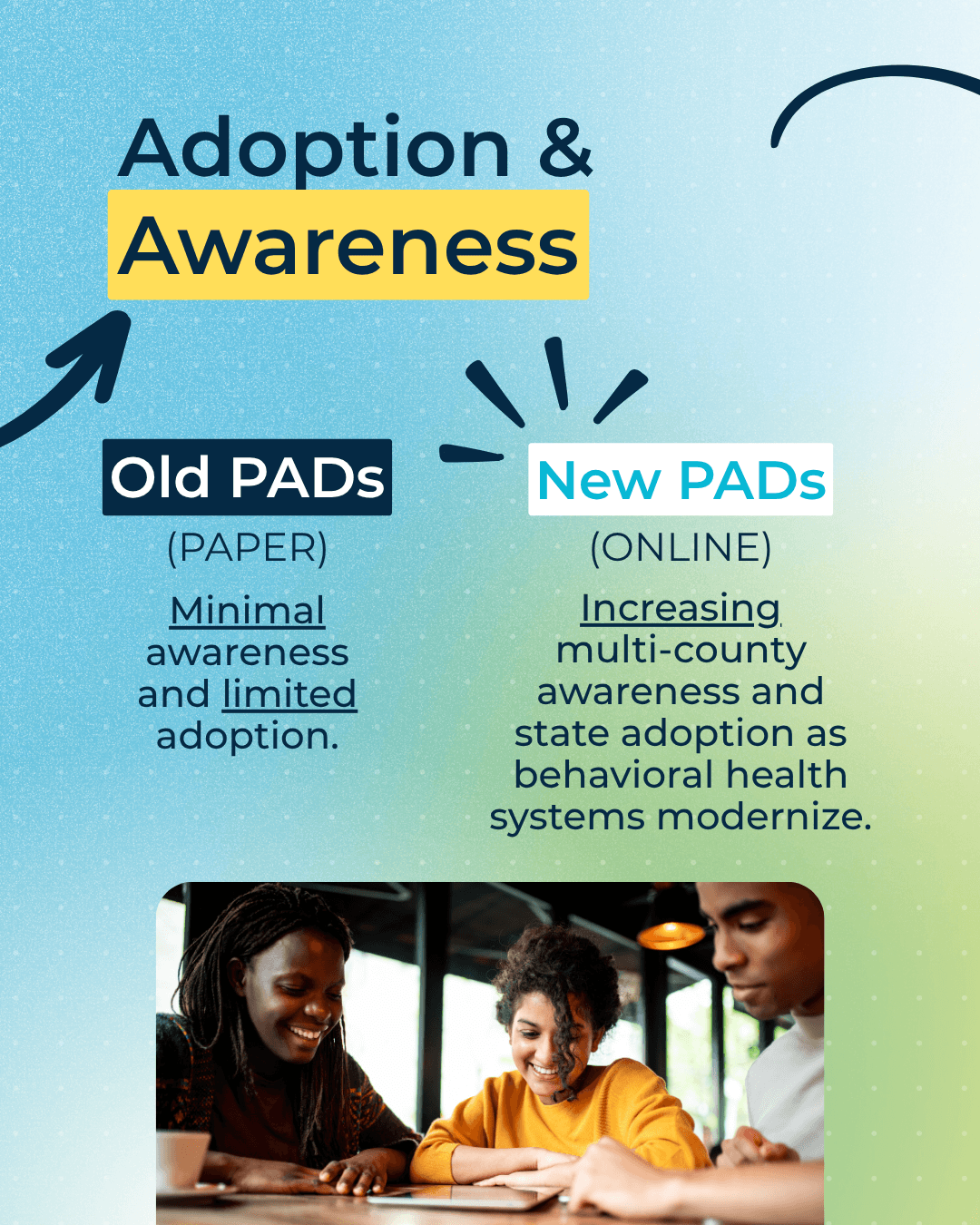
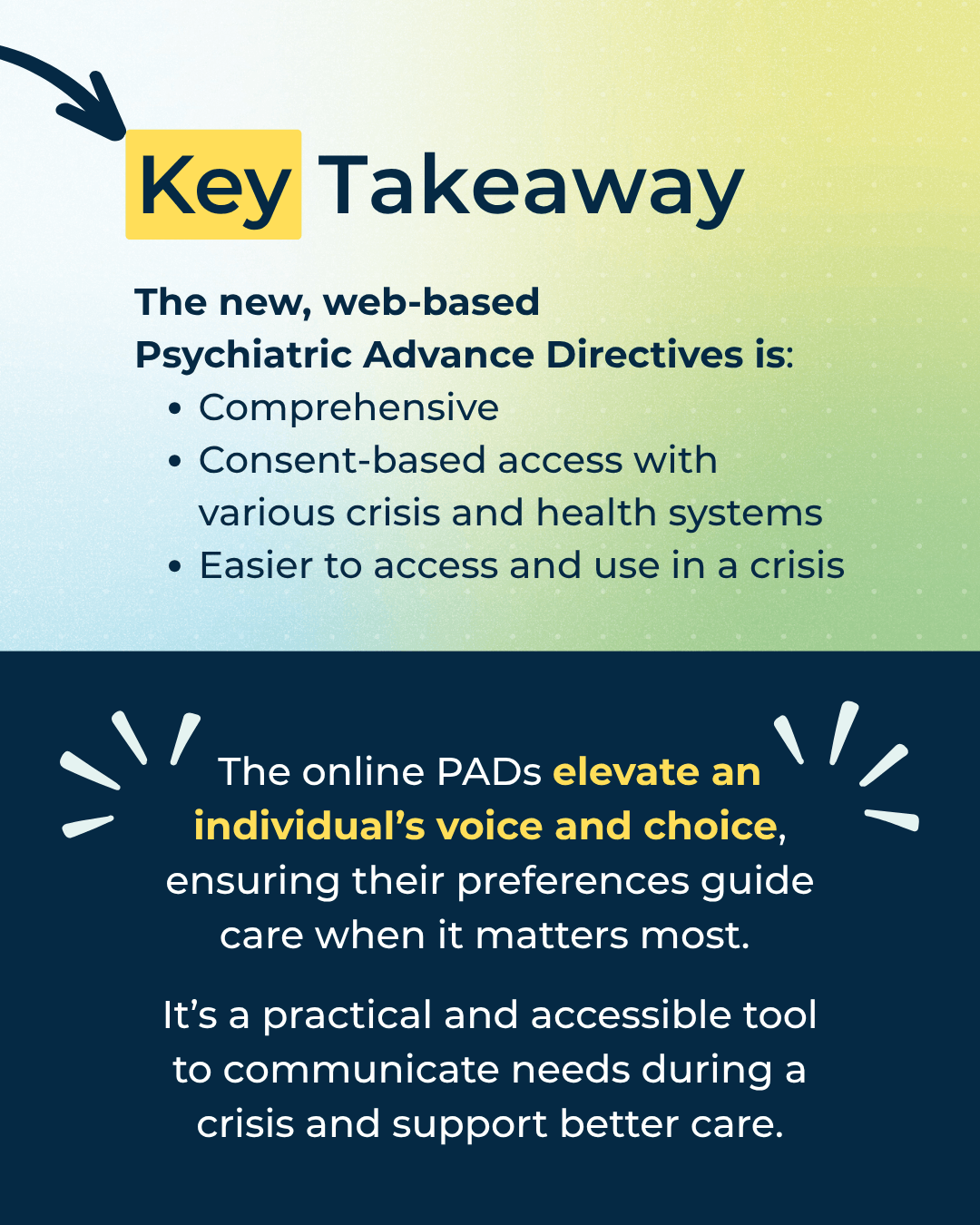
A group of counties has joined together for an innovative pilot project to create a secure website for Psychiatric Advance Directives in California. This secure online tool makes it easier for individuals to create, store, and update their PADs while providing real-time access to supporters and professionals during a crisis.
Through this PADs Multi-County Collaborative, Tri-City Mental Health Authority (Tri-City) is bringing digital PADs to the communities of Claremont, La Verne, and Pomona, with a focus on strengthening crisis support and giving individuals more choice and greater control over their behavioral health care.
Digital PADs are now available to adults age 18 or older who want to document their preferences, supports, and treatment choices in advance.
Learn More About Online PADs
What is a PAD?
How would you explain the benefits of an online PAD to a friend or family member?
5 Important Things to Include in Your PAD


The first word that comes to mind with a PAD is ‘safety’ as this is a voice for those who are often silenced. Giving them their voice back when they are unable to speak for themselves is empowering. This is so impactful in helping not only individuals, but their families as well. This could be a game changer for future generations and avoid some unnecessary traumas.
– Rachel S., Certified Peer Support Specialist


The first word that comes to mind with a PAD is ‘safety’ as this is a voice for those who are often silenced. Giving them their voice back when they are unable to speak for themselves is empowering. This is so impactful in helping not only individuals, but their families as well. This could be a game changer for future generations and avoid some unnecessary traumas.
– Rachel S., Certified Peer Support Specialist
Get Support Creating a PAD
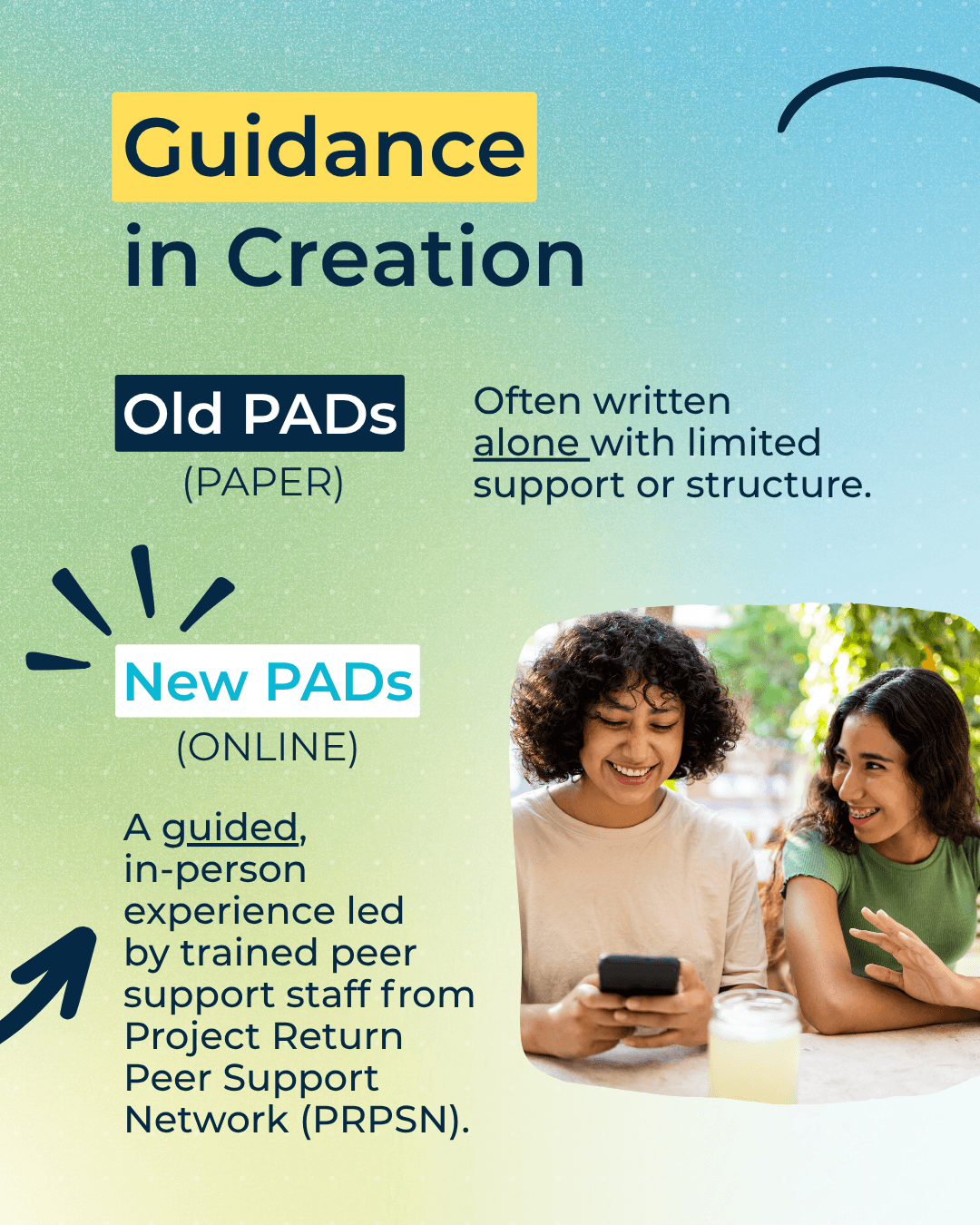
You don’t have to create your digital PAD alone.
If you live or go to school in Claremont, La Verne or Pomona, you can access individualized, in-person peer support as you create your online PAD. Peer Support Specialists from Project Return Peer Support Network (PRPSN) can answer questions, provide guidance, and help you navigate the process at your own pace. They can help you:
- Create an email account, if needed.
- Login in and navigate the online PAD platform.
- Prepare what you need for your in-person session. It’s helpful to have personal identification, medications, treatment preferences, and emergency contacts at the ready while you complete your PAD.
- Understand each section and decide what you want to include.
- Navigate contacts, signatures, and other steps needed to complete your PAD.
- Review your plan and make sure it reflects your wishes, your needs, and your voice.
Get Help from Trained Peers at No Cost
Tri-City Wellness Center
1403 N Garey Ave, Pomona
Walk-in Hours:
Wednesdays & Fridays, 10 AM – 5 PM
For more information or to schedule an appointment:
Email: PADsinfo@prpsn.org
English: (323) 772-9736
Spanish: (323) 542-5139
Want to Create a PAD on Your Own?
You can create and manage your PAD independently through the My Plan My Voice platform.
How Peer Support Can Help You
What difference does it make to have someone who understands your lived experience guide you when creating a PAD?
PAD Tutorial: Leveling Up Your Wellness Plan 💫
Stop by the Tri-City Wellness Center in Pomona for in‑person support.
Frequently Asked Questions
Click on the question or arrow to view answer.
Resources
Tri-City Mental Health Authority
tricitymha.ca.gov
For More Information
Paulina Ale
pale@tricitymha.ca.gov
(909) 326-4634
Need Immediate Help?
If you or someone you care about is struggling, you are not alone. Help and support are available anytime by calling our 24/7 Mobile Crisis Care at (866) 623-9500 or by calling/texting 988 for the Suicide & Crisis Lifeline.